
Janette Cardy shares with us why strength training is important, especially for women, and what benefits it can bring for your bone density and muscle mass.

Janette Cardy shares with us why strength training is important, especially for women, and what benefits it can bring for your bone density and muscle mass.
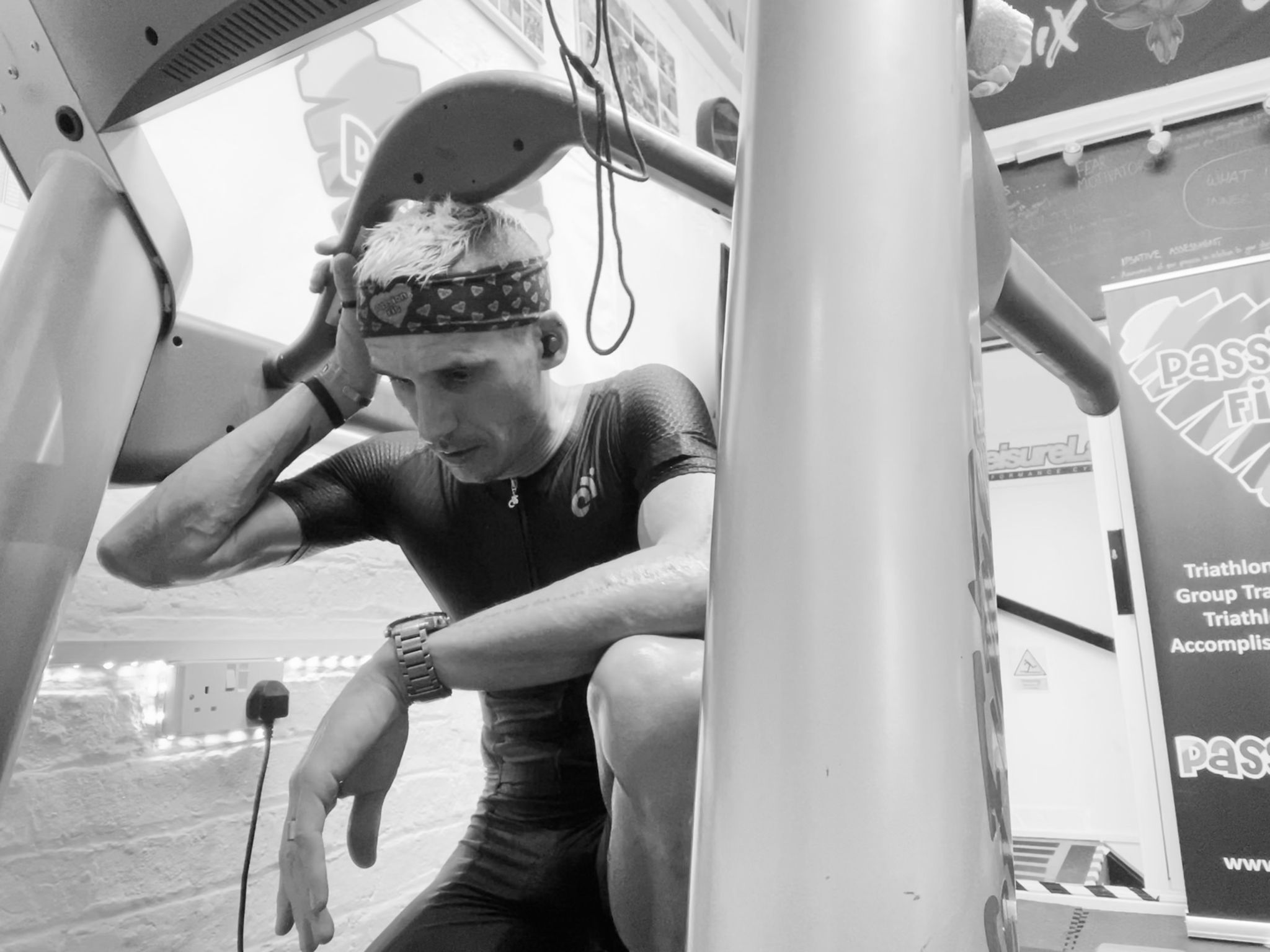
Tom Ward from Passion Fit Coaching discusses in this blog why always being focussed on outcomes can lead to demotivation and disappointment. He presents an alternative approach and shares some of the techniques he uses with his athletes.

This is Part 2 of a two part blog by the Mountain Abandon coaches Nicolette and Pierre. While Part 1 discussed RPE, here Nicolette looks specifically at heart rate training, its use in ultra and trail running, and the importance of understanding your data.
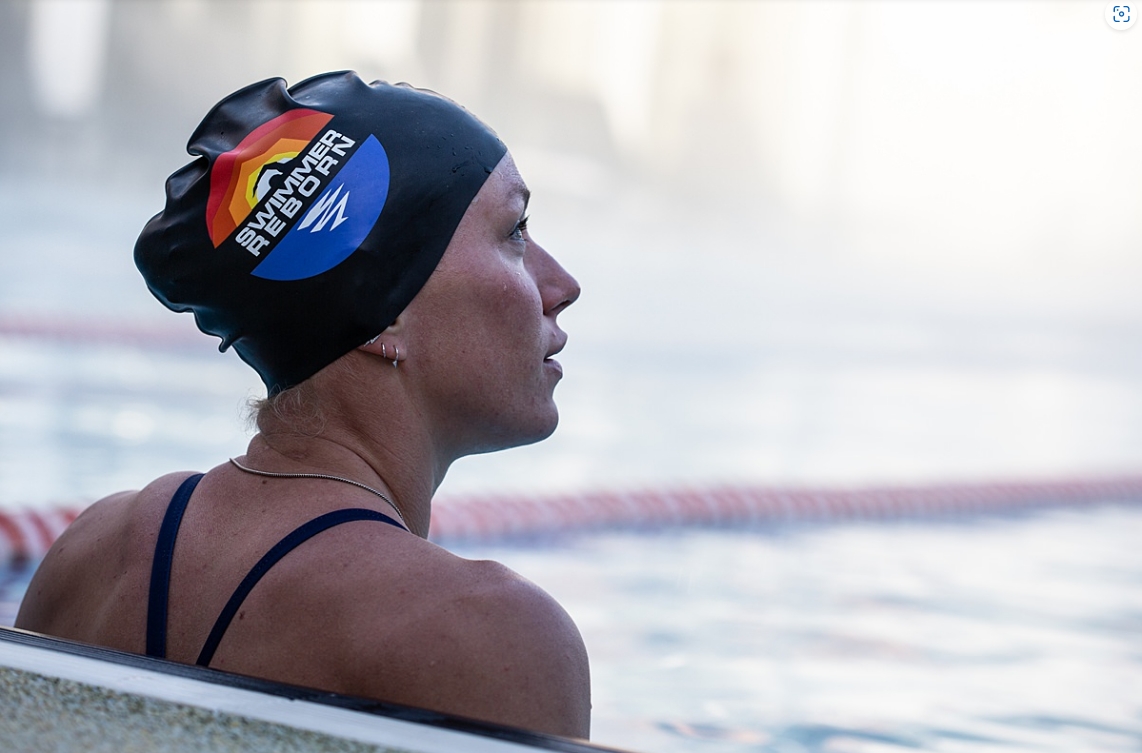
Inhibitory Analytical Syndrome (IAS) is something coach Julian Nagi has come across many times in his decades of coaching all levels of swimmers. If you are someone who struggles to swim fluidly because you are concentrating too much on all the technique queues you have been given, then this useful article may help you to progress more quickly. As Julian says “We are imperfect as human beings, and we are definitely imperfect as swimmers. The key is to find the best stroke that works for you.” Rhythm, momentum and flow are the most important words in a swimmers vocabulary and Julian is here to explain why.
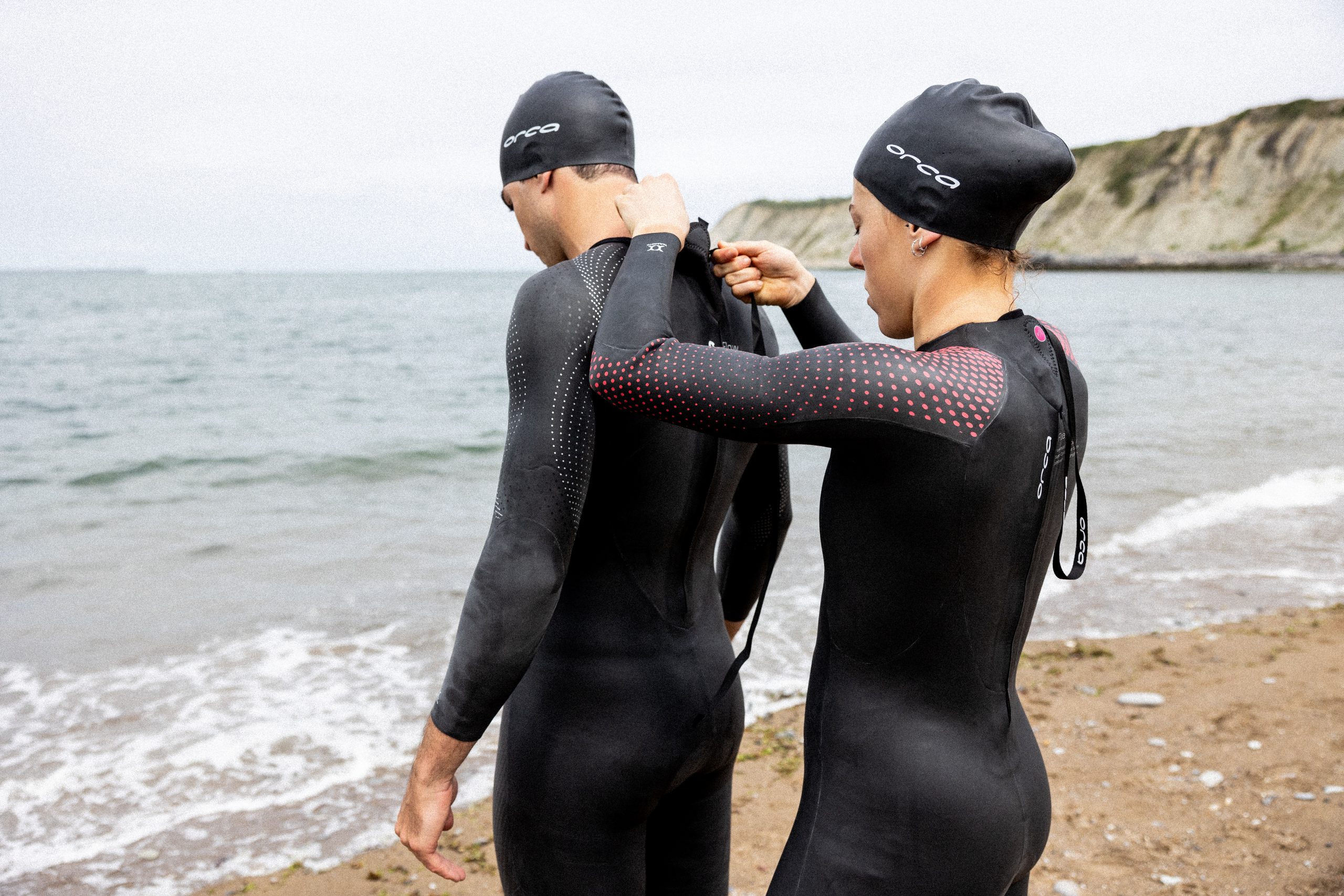
Wetsuit technology has come a long way in the last 5 years, and for the majority of people, if your wetsuit is older than 5 years then investing in a new one will have a significant impact on your swim times. But how do you choose the right one for you?
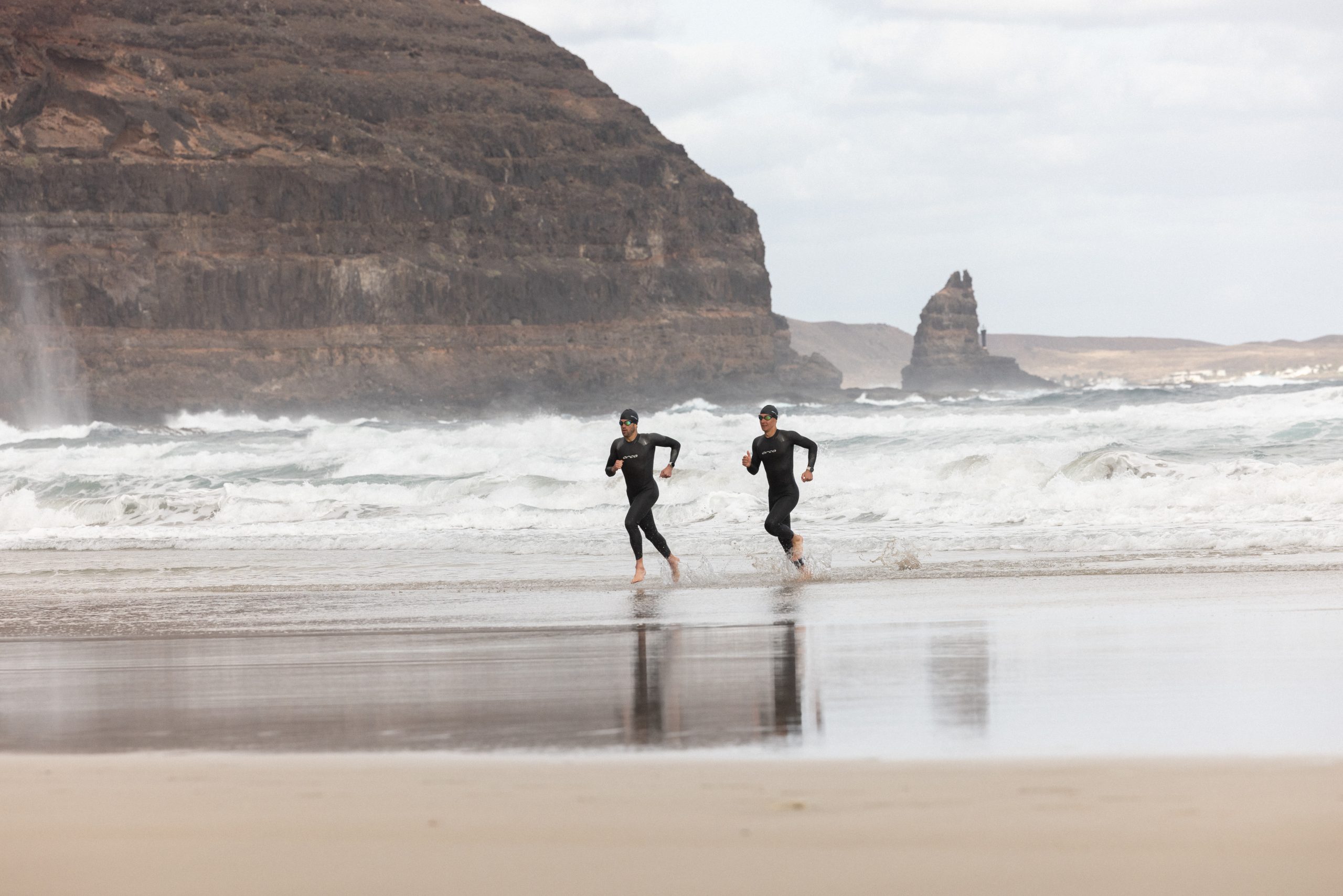
Xhale co-founder and hugely experienced triathlon coach Mark Livesey talks us through why for some athletes their pool swimming speed doesn’t translate to open water, and what they can do about it.

Caroline Livesey takes us through 6 Golden Rules for your day to day nutrition to help you get the most out of your training plan. While people are constantly looking for quick fixes to help with weights or energy management, as this article points out – if you don’t get the basics right you will never progress no matter how hard you train.
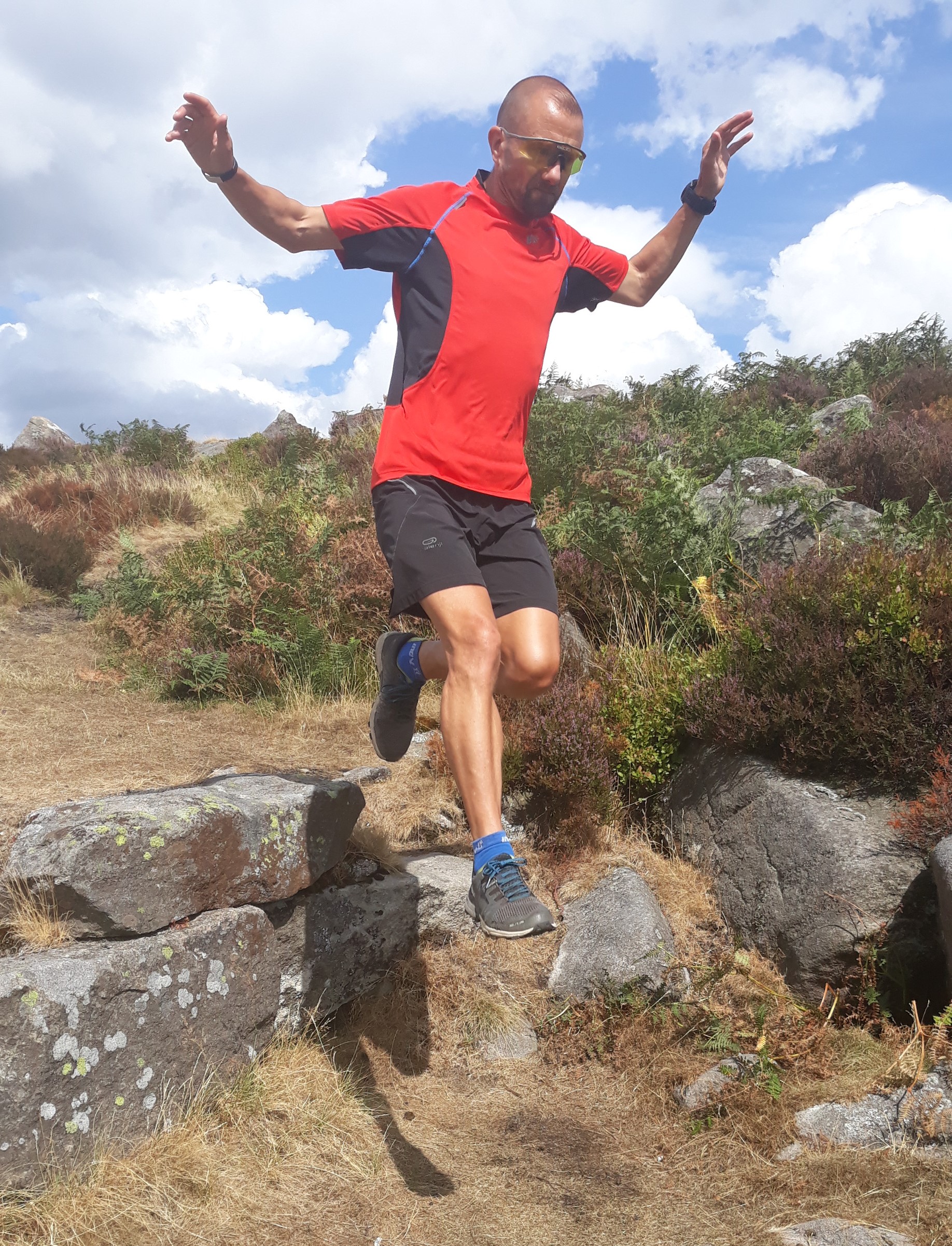
Fell and trail running seasons are notoriously varied, long, and difficult to train for. Here coach and mountain expert David Taylor of Fell Running Guide takes us through ways of structuring your season and training to get the best from yourself in these arduous races. He covers picking races, strength training, common mistakes and how to juggle all the demands on your body.

Pierre and Nicolette from Mountain Abandon were early adopters of our RPE scale for athlete feedback. In this article they present the science behind RPE, how they track athlete progress/fatigue with this data, and why they believe it develops the athletes inherent ability to self govern. In ultra running and endurance sports, being able to pace yourself correctly and evaluate intensity is key to success in both training and racing. With RPE we have a consistent measurement relaying only on the athletes brain, overcoming issue with poor data from devices which cannot know weather temperatures, caffeine consumption, sleep deprivation and other variables.

Training zones based on blood lactate levels are unique to each athlete. In this article Simon Vincent presents why lactate testing is more reliable than FTP, and how to use it in constructing training programmes and assessing your athletes.

After the Tokyo Olympics, Passion Fit coach Tom Ward looks at the modern culture around winning, glorification of winners, and discusses why this might not be the most important feature of sport after all.
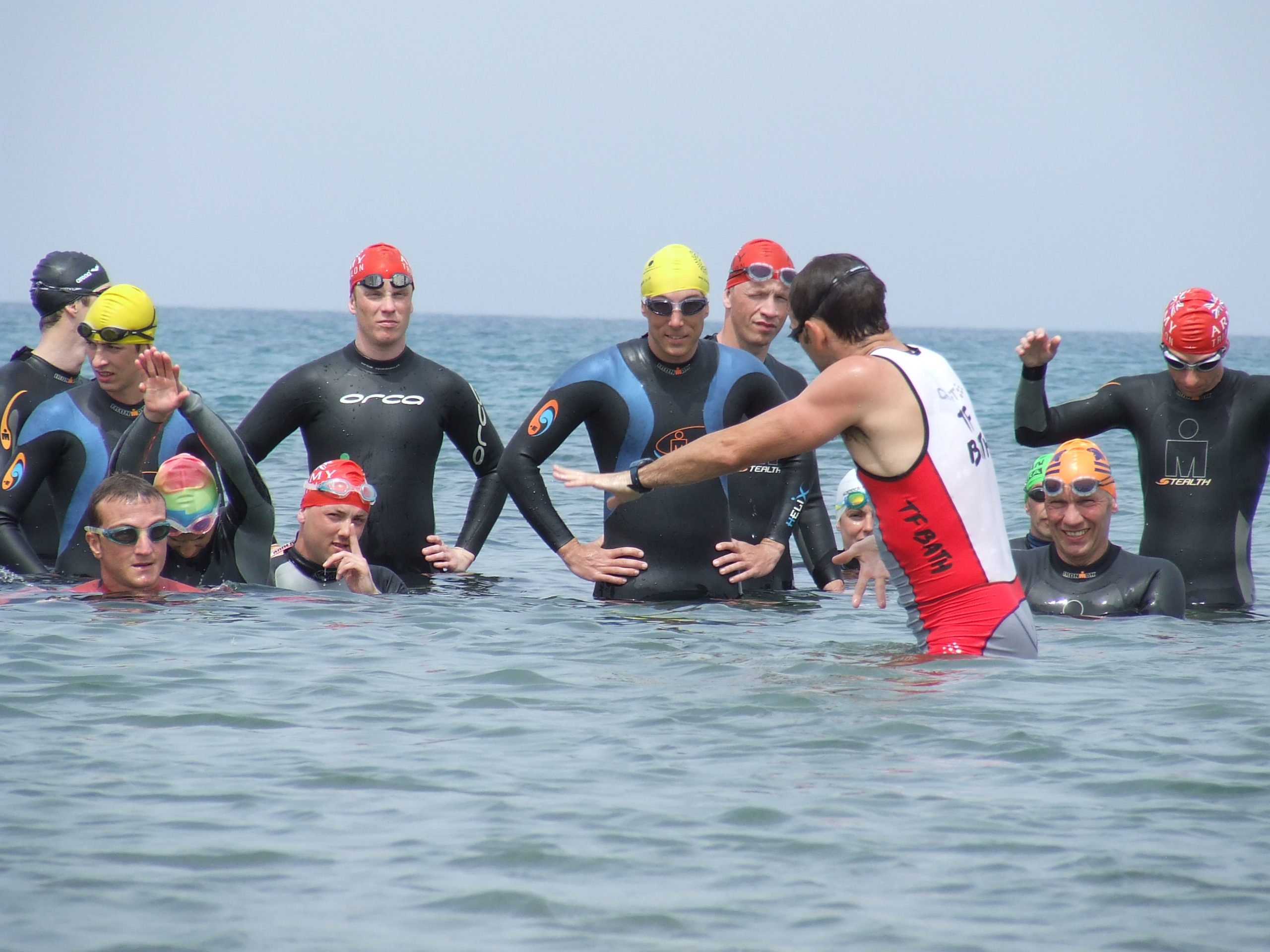
Xhale co-founder and triathlon coach Mark Livesey presents the founding reasons for the creating of Xhale. He remembers some of his early experiences with coaches and instructors in the military. He quickly realised that the “old” style of coaching – breaking soldiers with “just one more rep” – did not develop resilience and instead caused unnecessary stress and resistance. Through these experiences he developed his own coaching style based on communication and the coach/athlete relationship. These are the principles on which Xhale is founded.